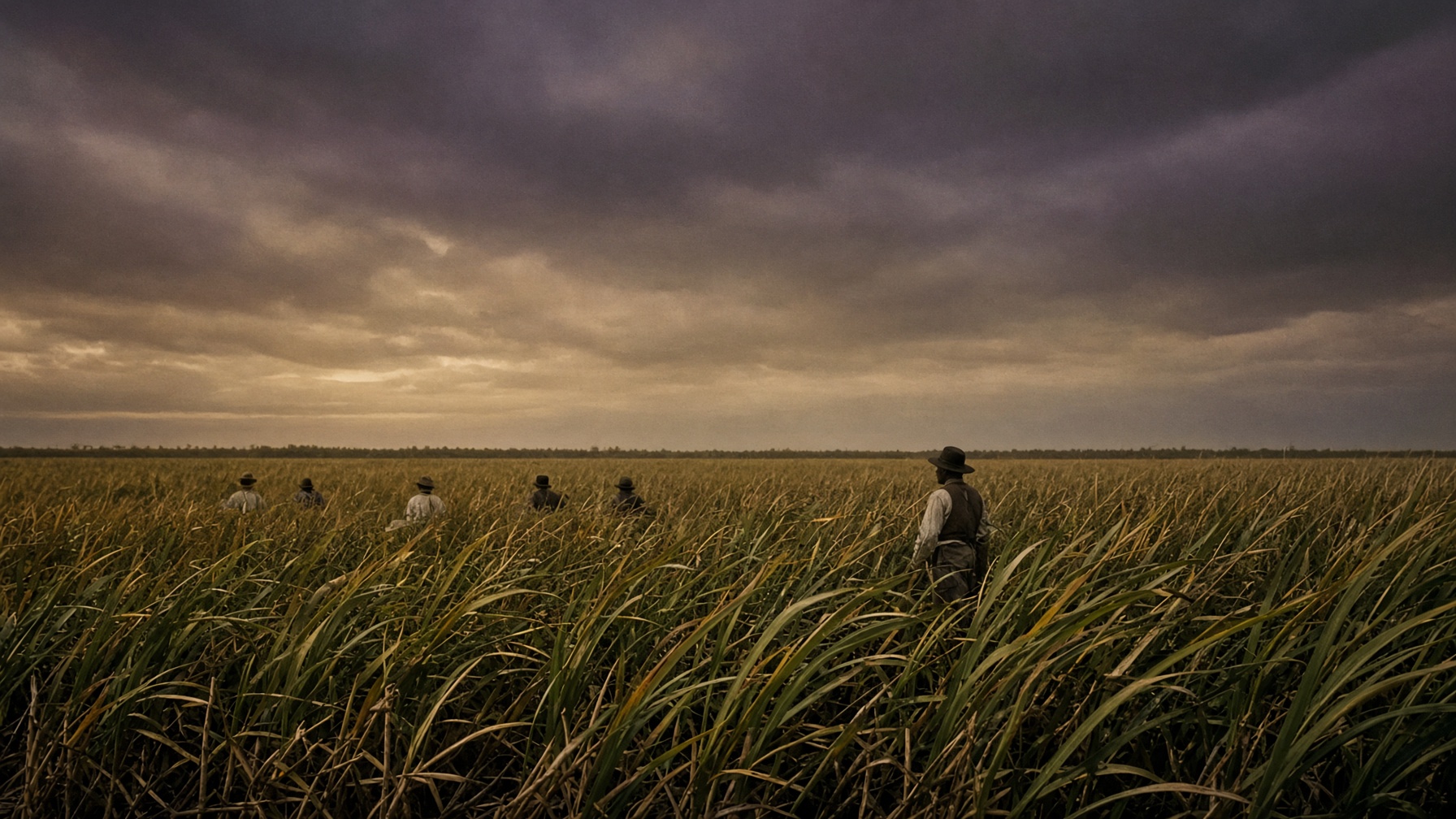
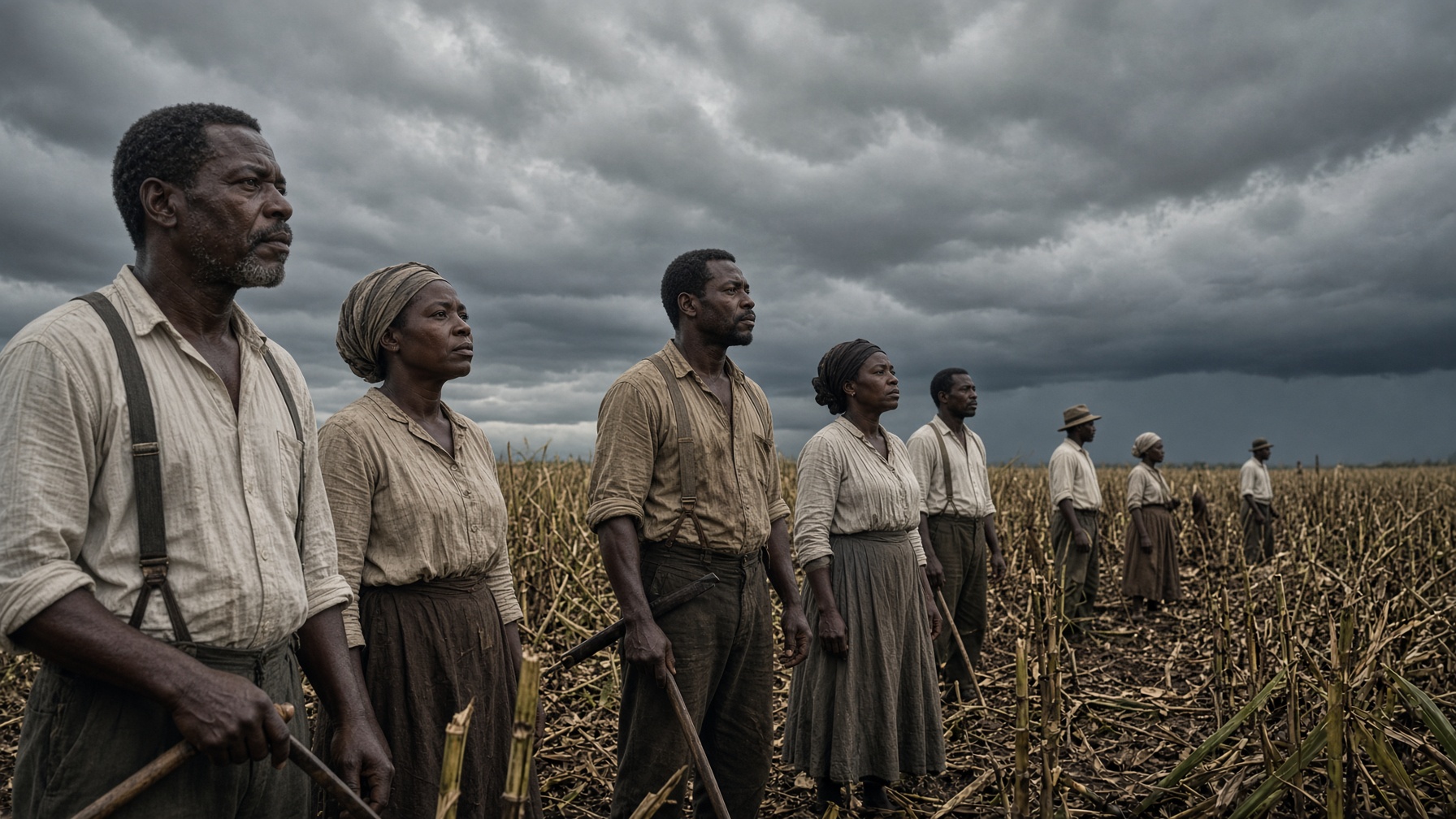
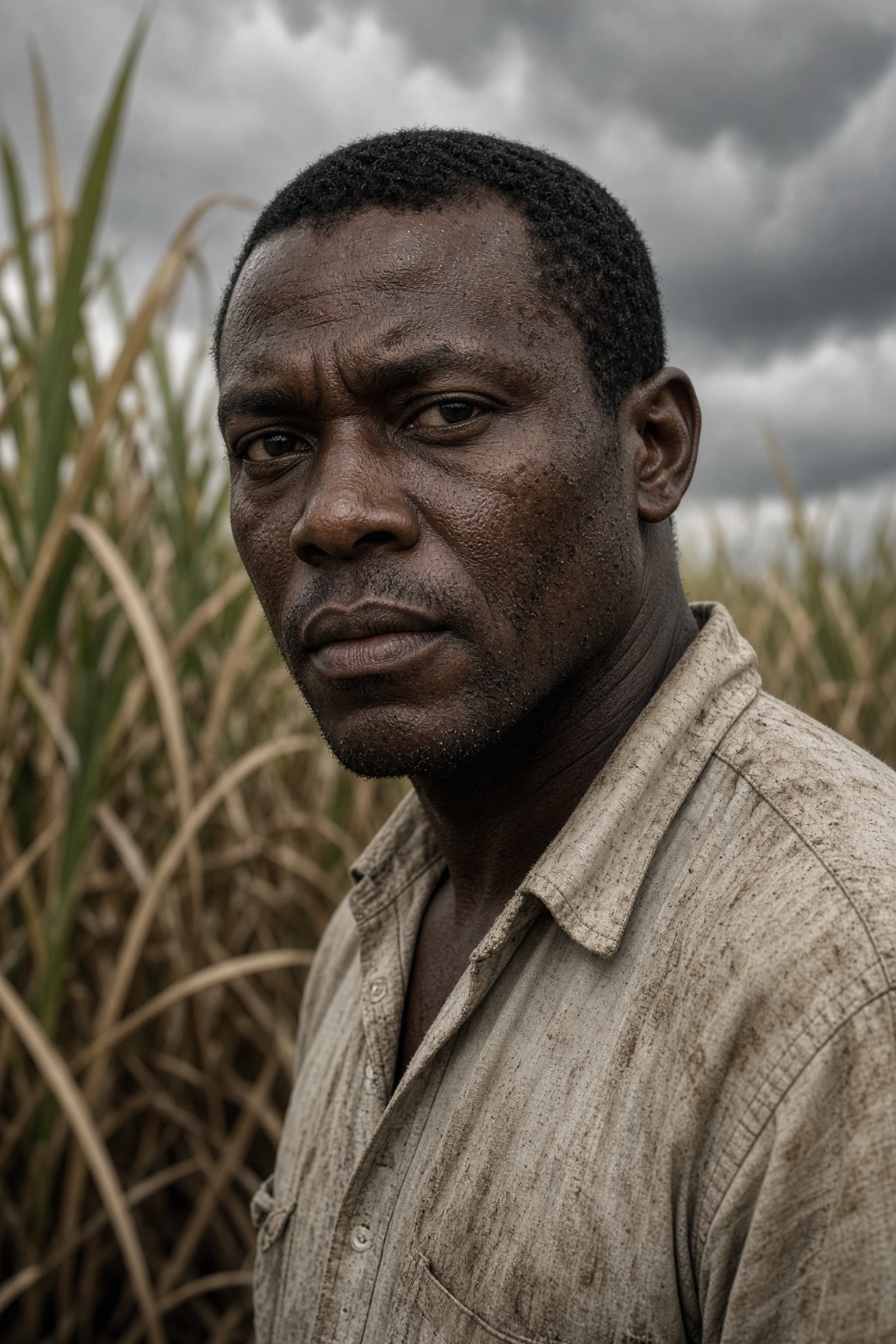
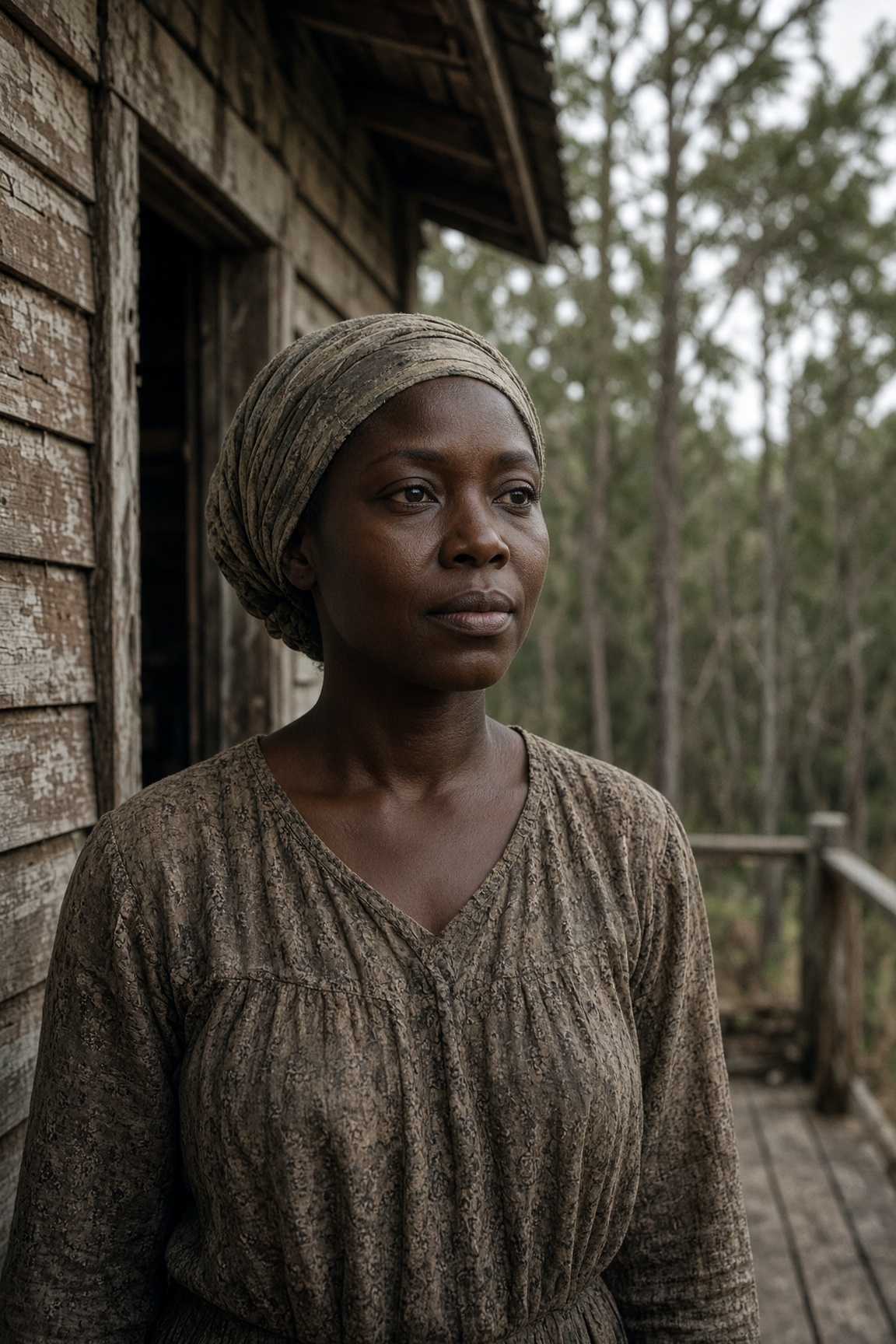
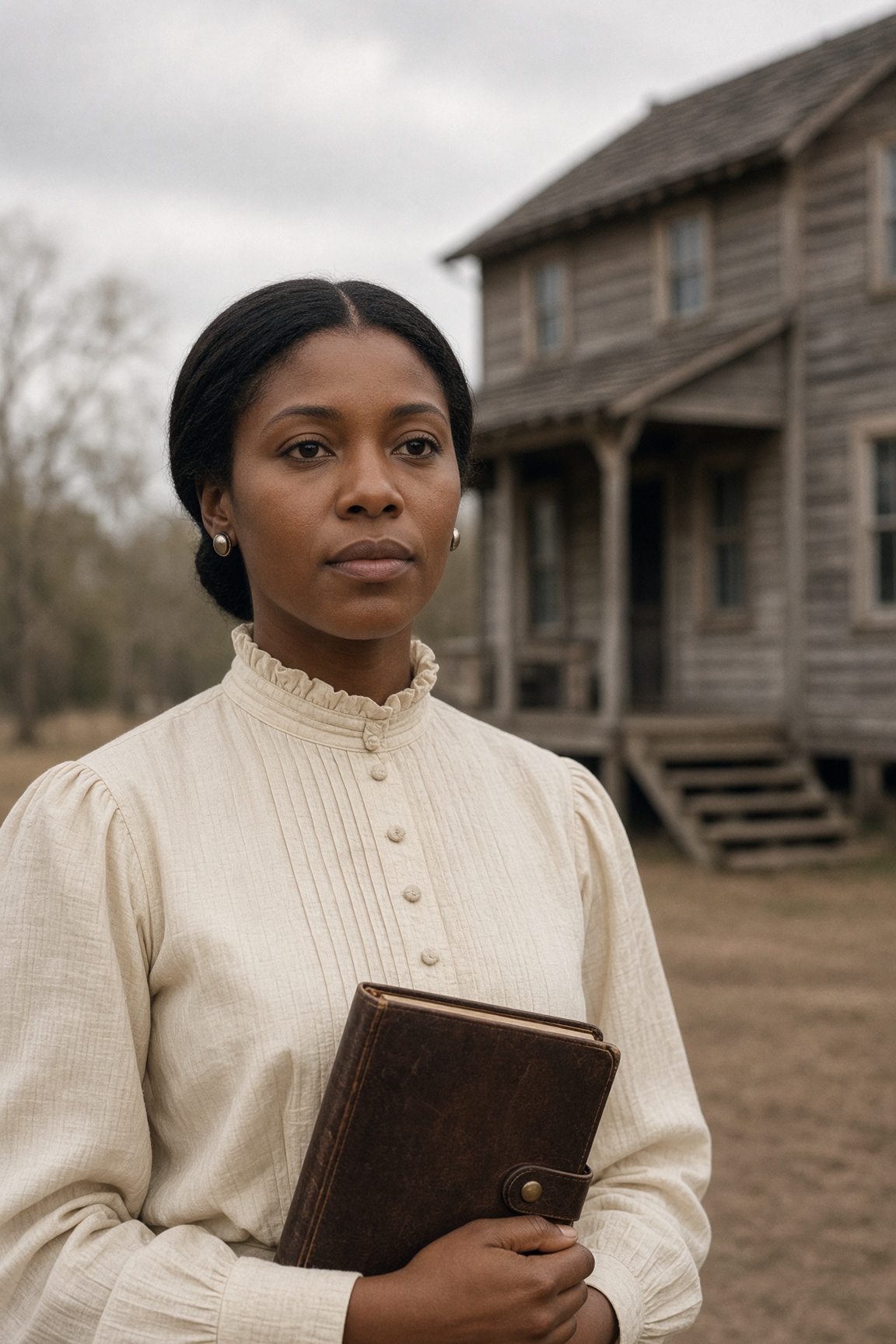
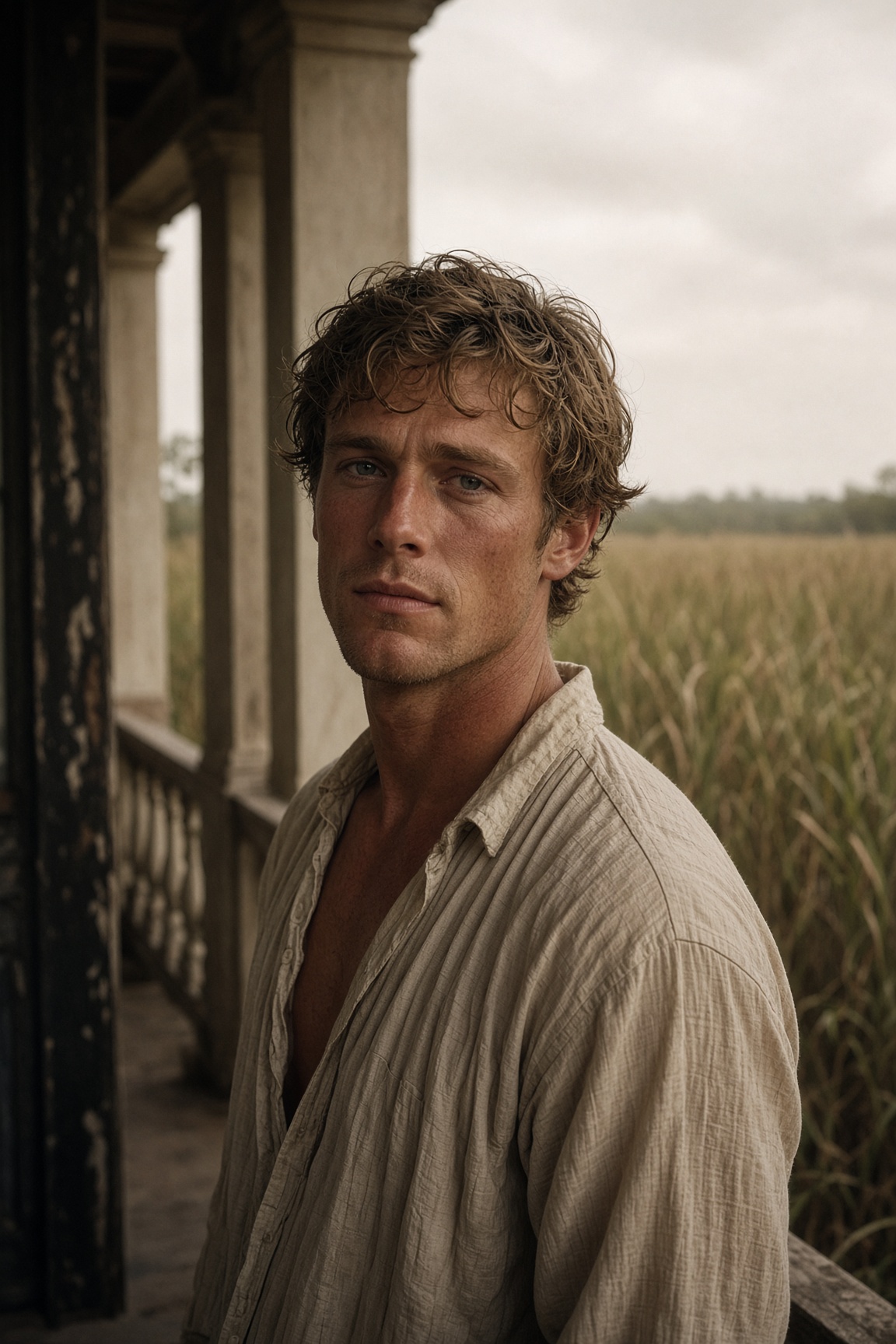
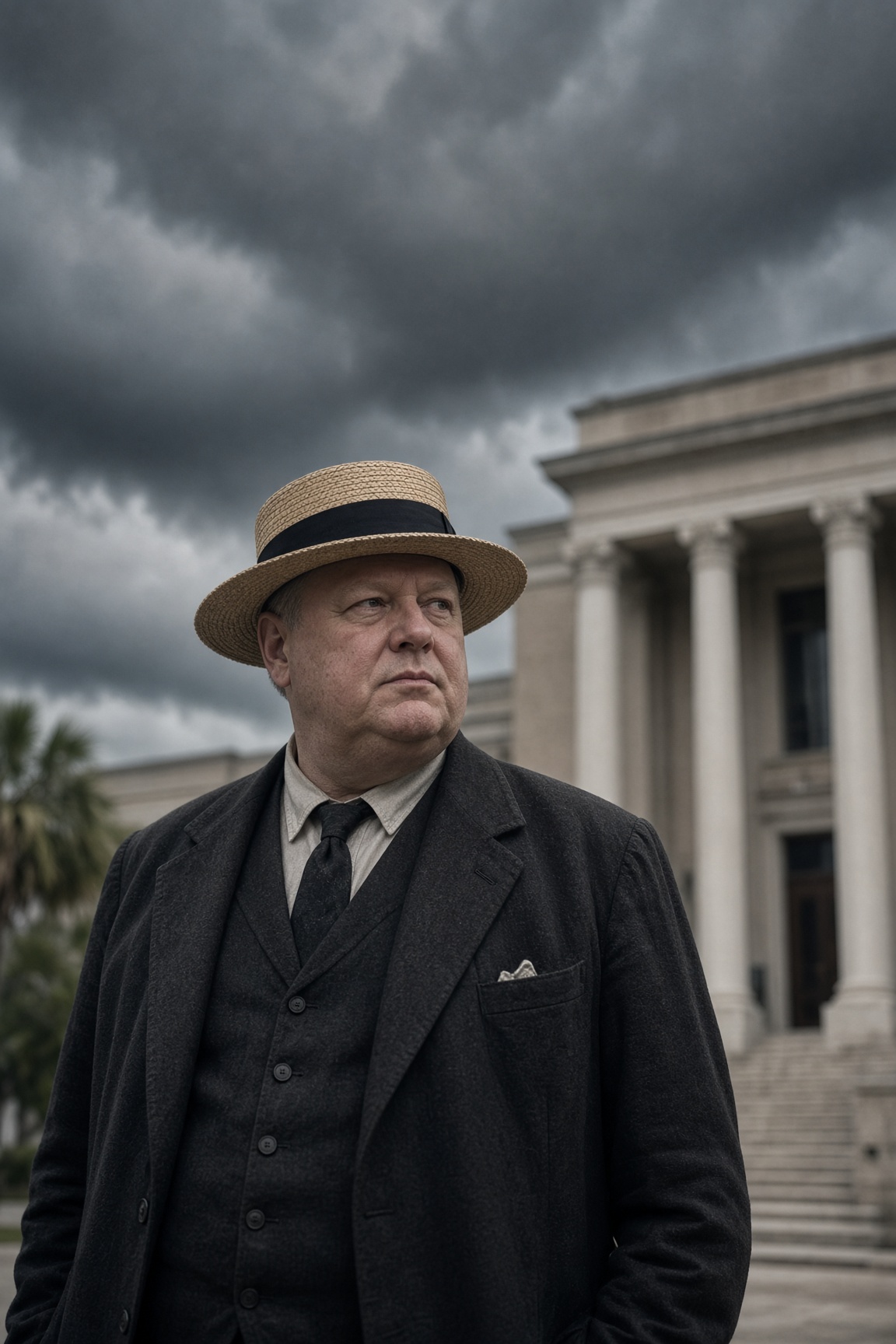
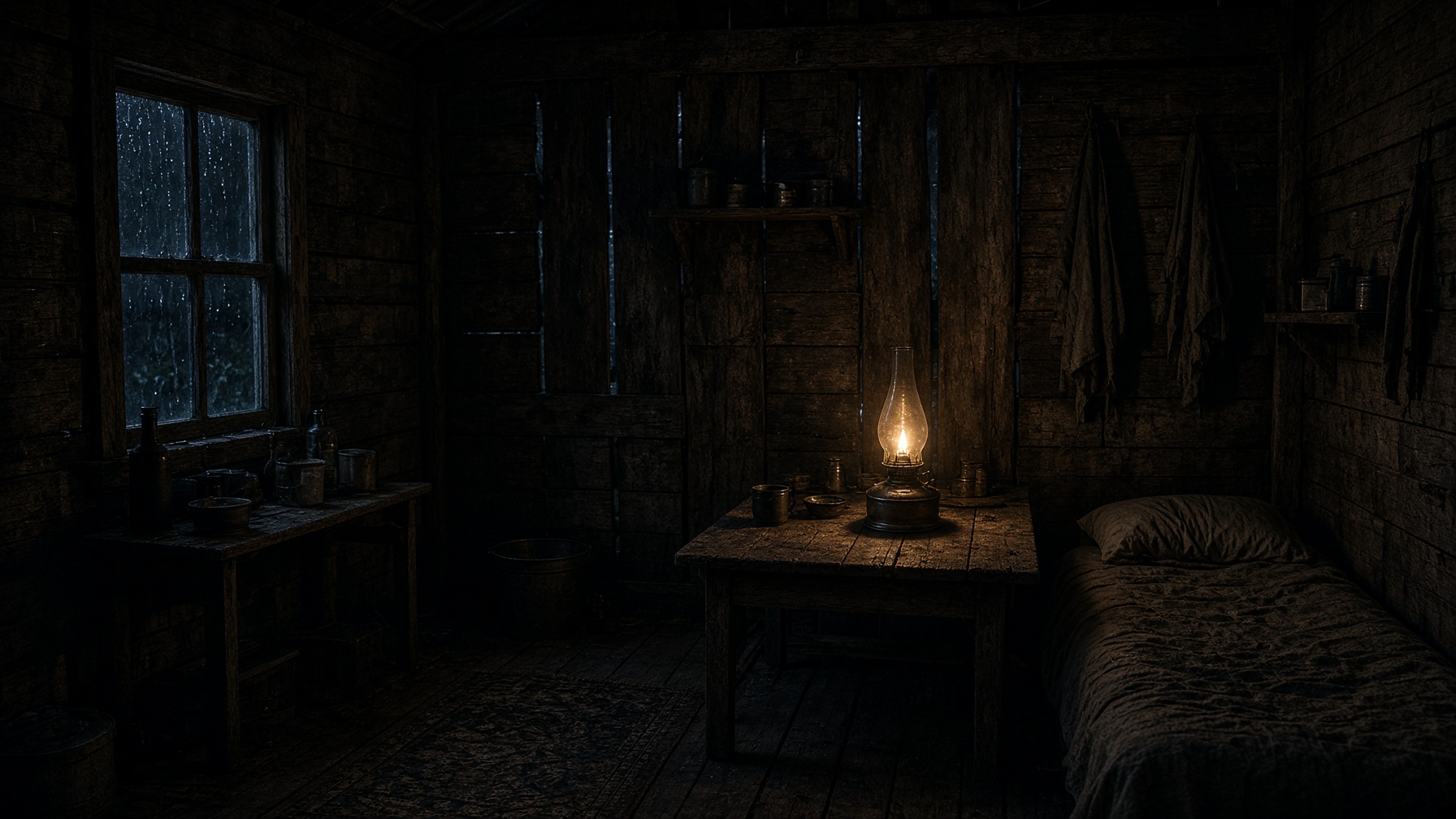
September 1928. Around the southern shore of Lake Okeechobee, the sugar harvest is at its peak. Bahamian cutter Elias Rolle and his wife Celestine have already crossed one body of water to work a season in the Florida muck. A few miles of cane away, Wade Harper, a landowner’s son, drinks to a dike his father paid to hold. In a one-room school, Ruth Bennett writes down the names of people the county does not count. In a West Palm office, Commissioner Clayton Hale files another telegram and decides the crop is worth the risk.
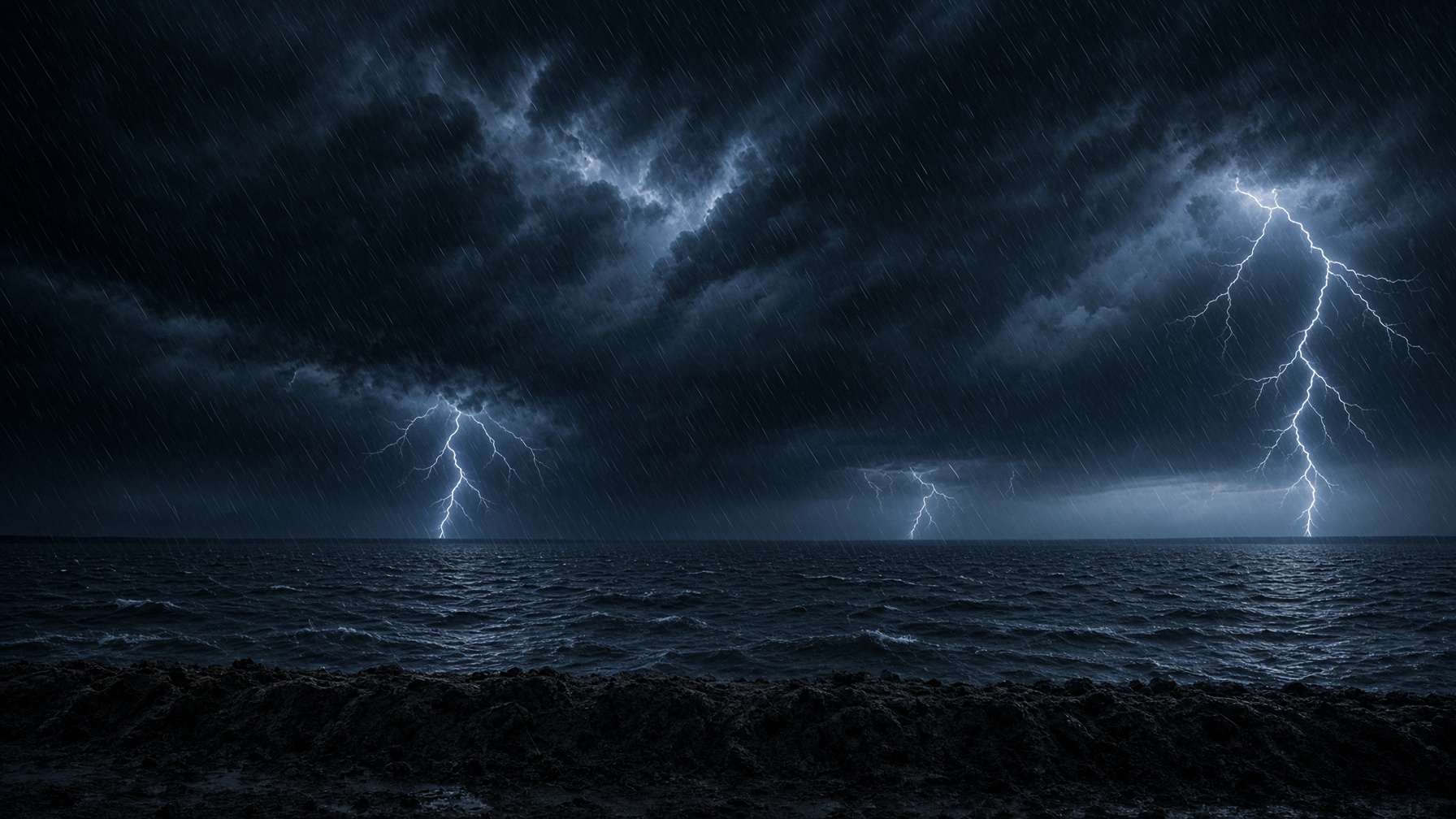
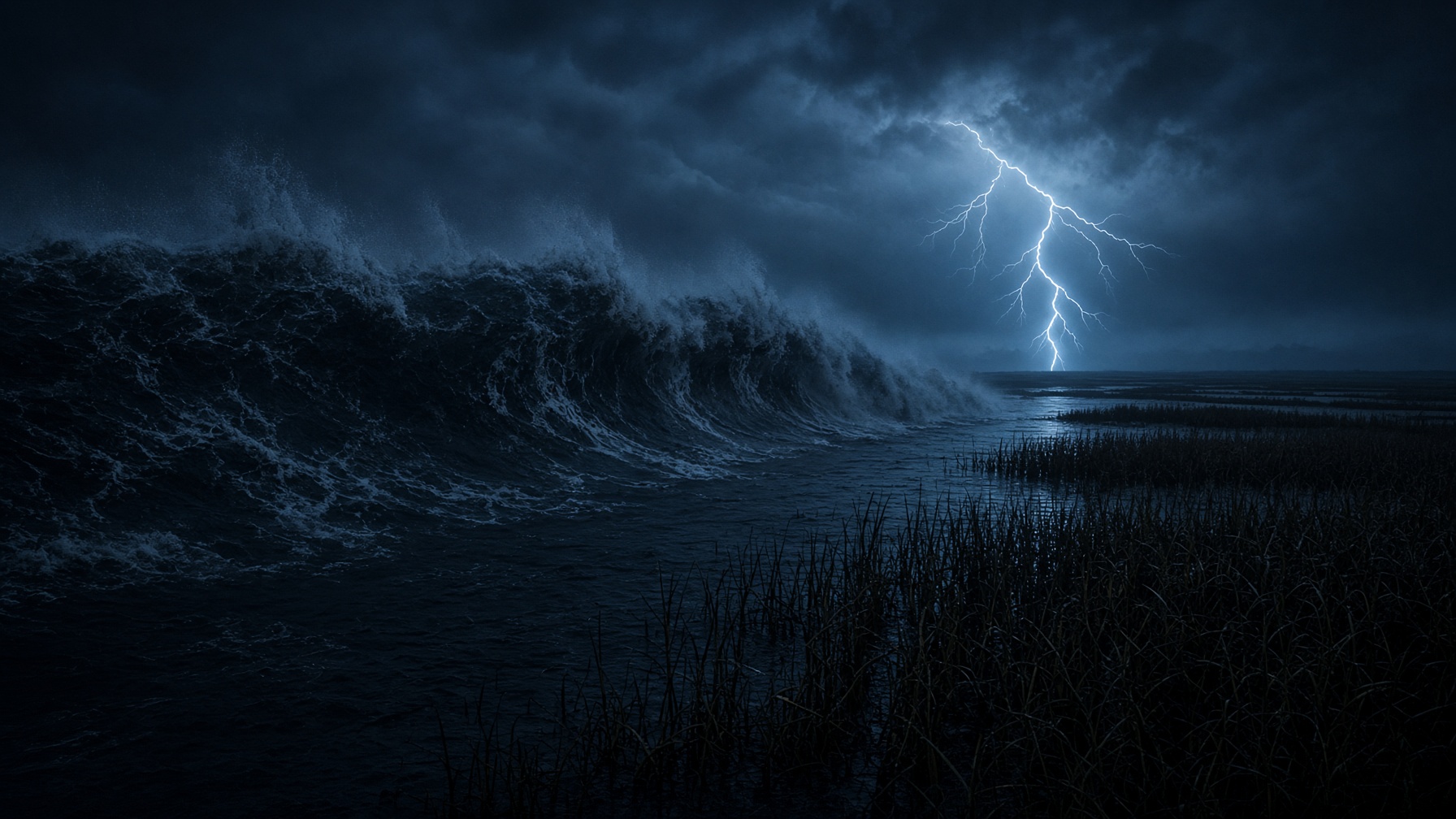
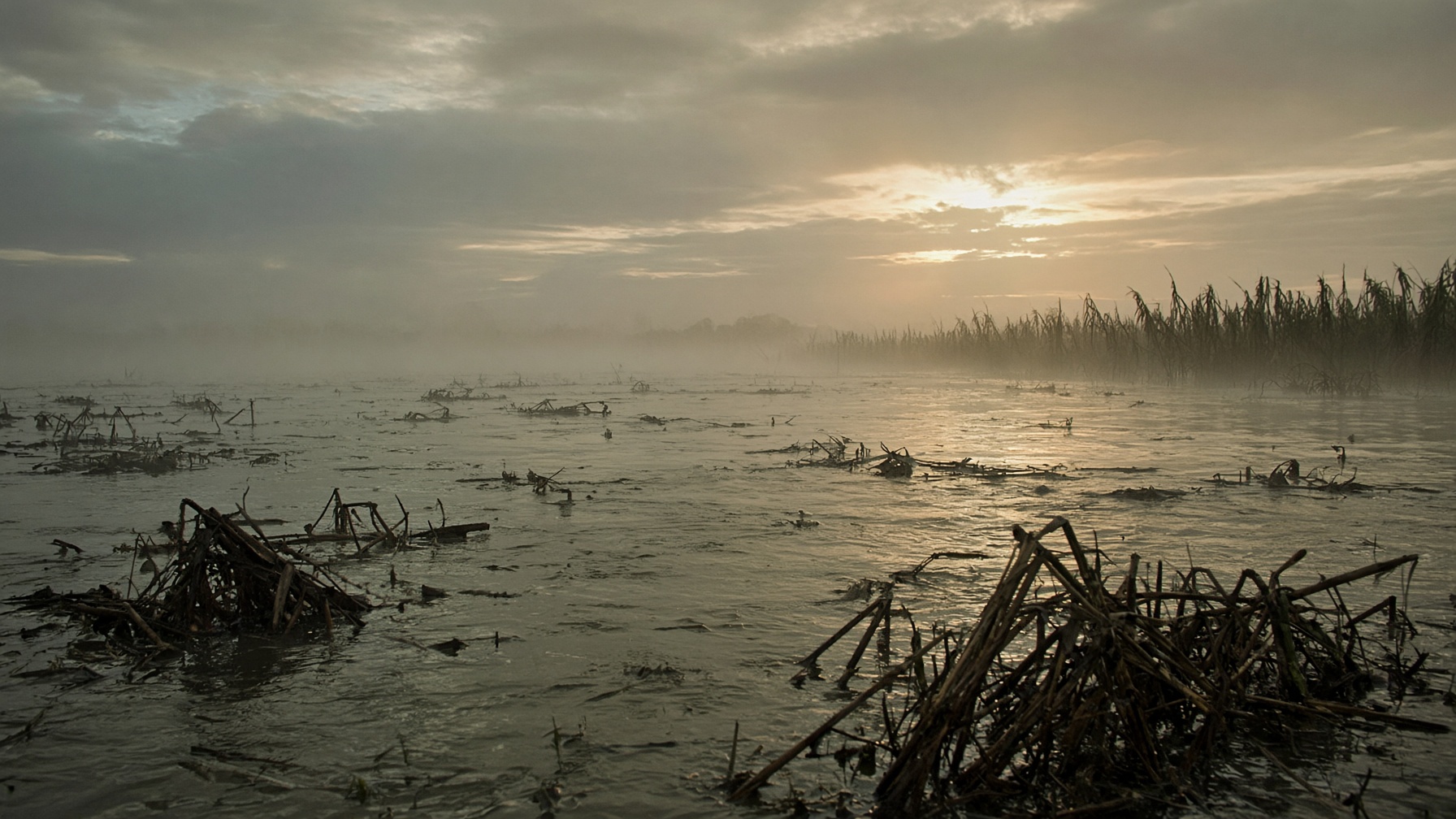
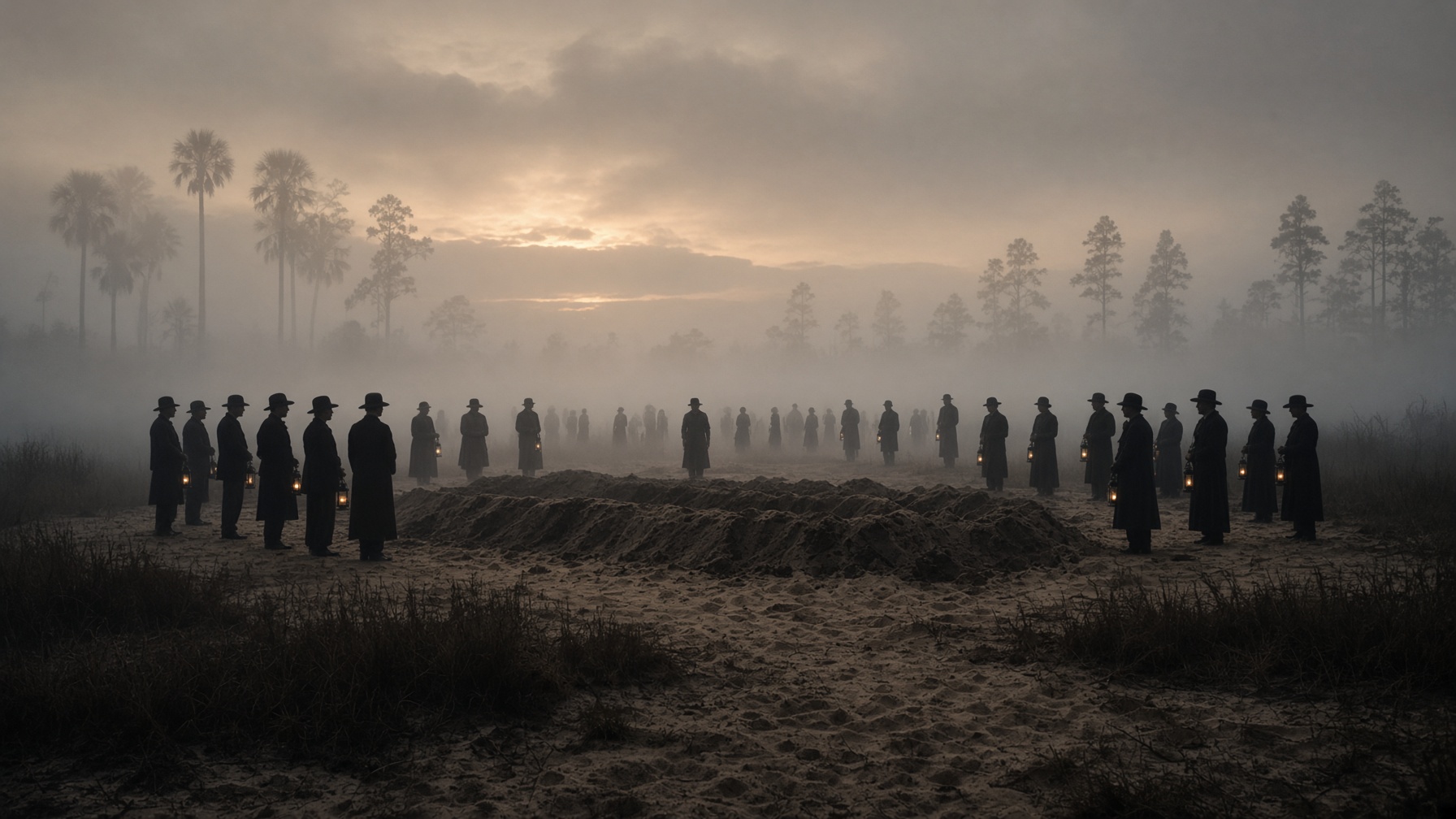
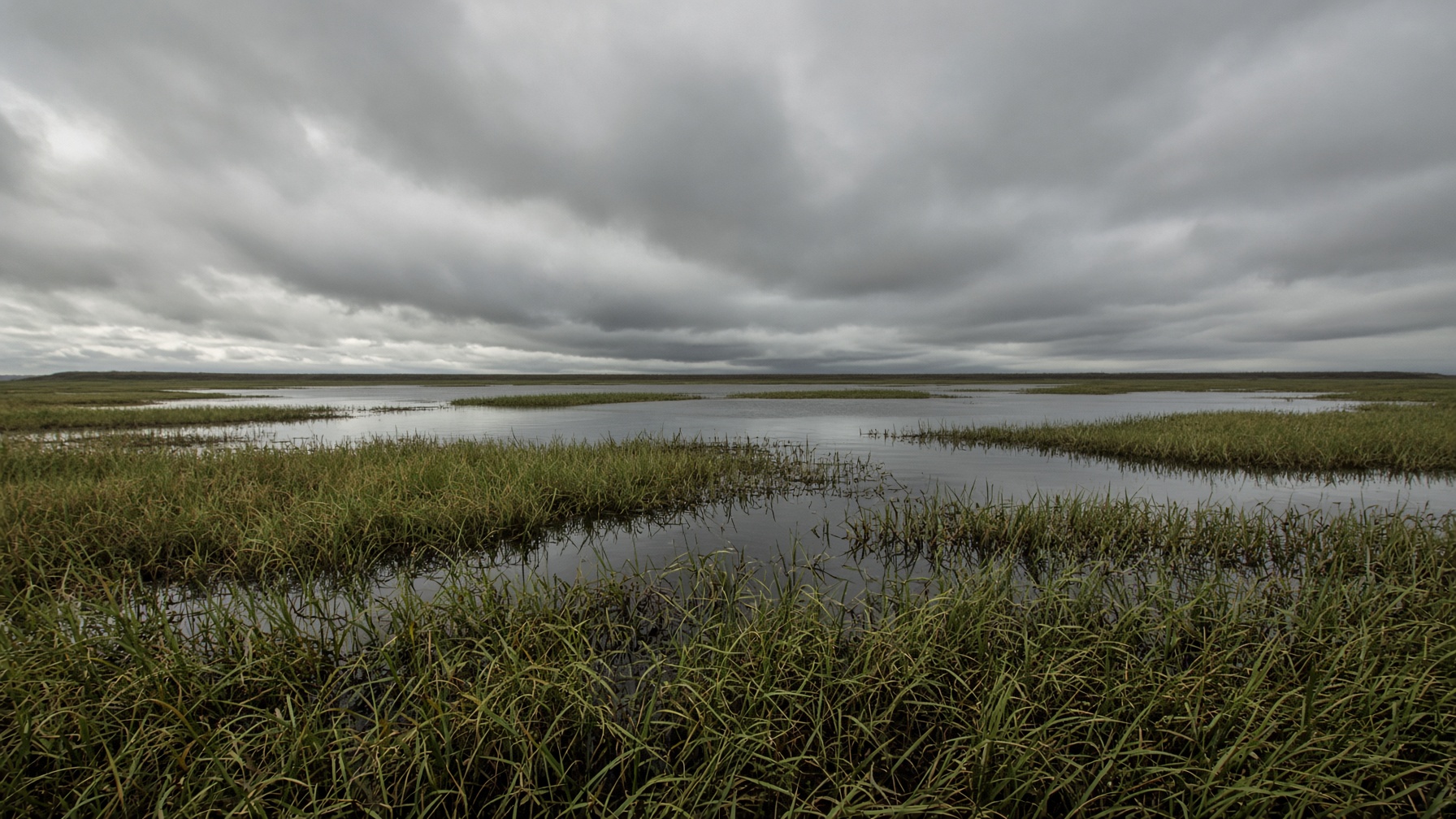
When the hurricane comes, it does not so much break the lake as lift it. A wall of black water goes over the mud levee in the night, and a country of shacks, camps, and company houses is erased in an hour. What follows is not only survival. It is the accounting — of who is pulled from the water, who is burned, who is buried without a marker, and who is permitted to forget.
BLACK WATER is historical fiction, grounded in the documented catastrophe of the 1928 Okeechobee hurricane and in the survivor record that official history left incomplete. It is a film about the human cost of progress in the Everglades — and about the names that still wait to be spoken on a screen large enough to hold them.
Historical fiction, grounded in documented events and survivor accounts.